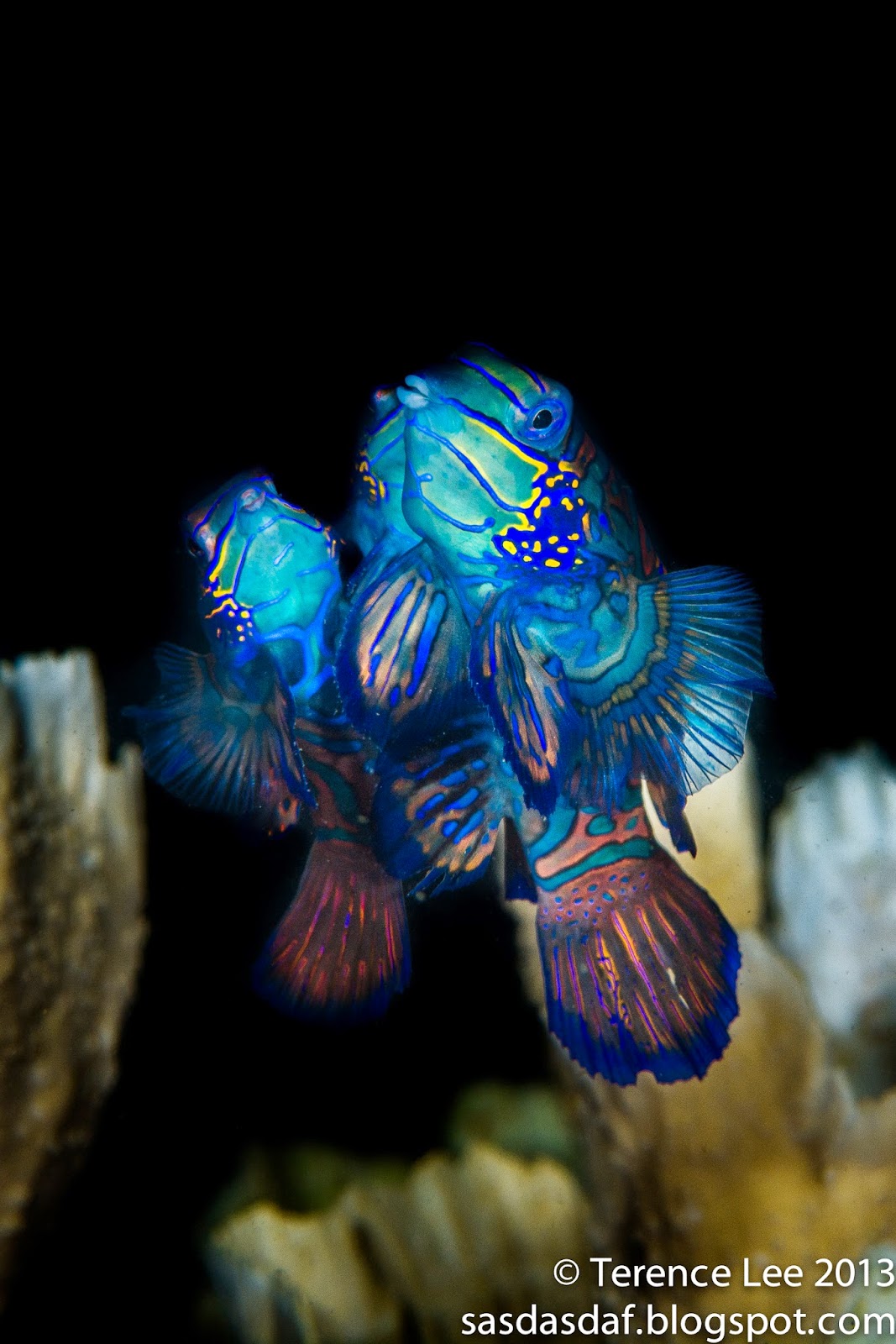
I attended a most excellent underwater photography workshop in October 2013 that I am only writing about now. My wife’s awesome wedding present to me was, in addition to the new camera set up, a dream diving trip. So I chose to attend
Wetpixel’s Lembeh Macro Workshop at
Lembeh Resort, led by famed marine biologist and underwater photographer
Dr. Alex Mustard and Wetpixel editor Adam Hanlon. And it did not disappoint.
It was a very productive trip. We were blessed with prolific marine life and all the strange critters were out in droves. Despite having been to a number of muck diving havens such as Anilao, Bali, and even Lembeh itself (twice previously), I still recorded a number of first sightings on this trip: Denise’s pygmy seahorse, ceratosoma nudibranch (6), paddleflap rhinopias, blue ring octopus (3), cuthona yamasui, marionia pustulosa, thecacera pacifica, Lembeh hairy frogfish, and juvenile pinnate batfish.
Alex more than lived up to the hype. Obviously, he is an excellent and visionary photographer and it was great to see him in action. But what made his workshop extra special was his passion for making outstanding photos and especially his strong desire to teach us how to do so for ourselves. He is a strong communicator and put a ton of effort into his presentations, demonstrations, and lectures to make sure that we grasped the techniques and added them to our shooting toolboxes. Alex is all about originality and pushed us to take artistic, novel, and differentiated photos.
It was also a real pleasure to be in the company of many other excellent photographers, many of whom have won prestigious awards and been published! I learned a tremendous amount from speaking to and diving with the other trip participants.
Lembeh Resort is a beautiful, high-end resort for divers. It is designed with respect for nature in mind and the rooms are built around the trees and vegetation. The practices are eco-friendly, with no plastic bottles on the premises and minimal waste. Rooms are comfortable and clean. The staff is very friendly and well trained. The food is plentiful but I thought it was so so.
The dive operation, Critters@Lembeh, is professionally run and is a high quality operation. The dive guides are truly excellent – they are very knowledgeable about the local species, try hard to find good subjects, and are passionate about what they do. The boats all run smoothly and you don’t have to worry about carrying anything yourself or setting up your own gear as they do that all for you. The camera room is great, with individual table space for each photographer. There is plenty of room for gear, accessories, and battery charging. Between the dive operation and camera room, Lembeh Resort takes care of all of a serious underwater photographer’s needs. But perhaps the most differentiated aspect of the resort for photographers is the fact that they have a photo pro, Sascha Janson, based there full-time. I found him invaluable for his advice, local knowledge, and resourcefulness in dealing with camera issues.